Algorithms in the Real World

Quicksort algorithm animated
Image by en:User:RolandH
If you are here, I suppose you're familiar with algorithms. Probably your job consists in creating them. What you should know is that every sequence of operations that we accomplish is an algorithm.

What students learn in Computer Science classes is to create generic algorithms (such as the quicksort graphically explained in the image on the left). Then, when they start to work, new specific algorithms must be created.

Nowadays, especially with the advent of the so called Internet of Things, special purpose algorithms are everywhere -  and the control we have on them is very limited. Take a look to the following TED talk:


Surprised about the "Flash Crash of 2:45"? Well, if at Wall Street a software is able to make decisions based on few data, an algorithm that analyzes big data can surely vote in a board of directors, right?

TED: Don't Miss it


Last Saturday I've had the pleasure to attend a TED conference: TEDxRoncade. The leading argument was the biodiversity but the interventions have been very various: computer science, technology applied to health care, art, history, psychology, and obviously nature and our interactions with it.

Spokesmen (and spokeswomen) were all at high level and the format of this kind of events (fifteen minutes to everyone) is ideal to avoid boredom and to provide only main points to the audience. I have to congratulate with the promoter of this event +Luca De Biase for his excellent work!

Do yourself a favor: locate the next TED event near you and take part. It will be worth it!

The Puzzle of Motivation

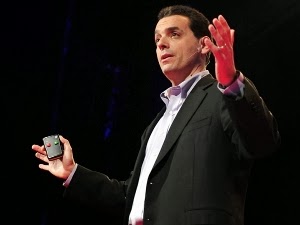
Dan Pink during his TED talk
The man you see in the picture is Dan Pink, a career analyst that uses a scientific approach to investigate the mysteries of motivation. The results of his researches are summarized in this TED talk.

Spend twenty minutes of your day to view the video (it also has subtitles in forty languages).

It lasts eighteen minutes. Then, use the remaining two minutes to reflect.

Enjoy: The Puzzle of Motivation